

 813-560-0594
 24/7 Emergency Service
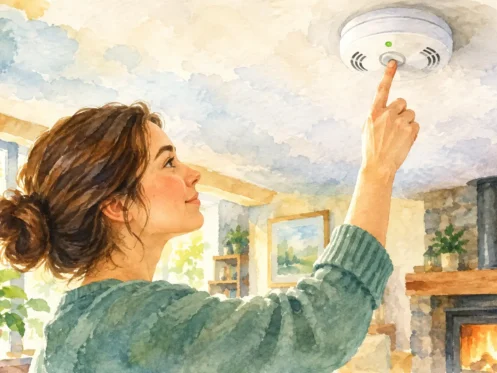
A carbon monoxide alarm is easy to ignore until it starts beeping. That is exactly why homeowners should test carbon monoxide detectors on a regular schedule, before an emergency forces the issue. Carbon monoxide has no color, smell, or taste, and exposure can become dangerous before anyone in the home realizes there is a problem.
For Tampa Bay homeowners, carbon monoxide concerns often center on gas furnaces, gas water heaters, fireplaces, attached garages, and portable generators used after severe weather. Even homes without natural gas can face a risk from vehicle exhaust or improperly used fuel-burning equipment. A working detector gives your household an early warning, but only if the unit has power, is within its service life, and can sound when needed.
What the Test Button Actually Checks
The test button is the simplest way to check your detector. Press and hold it until the alarm sounds, which may take several seconds. The sound should be loud and clear. If the unit does not respond, first check whether it has a low battery, a tripped breaker, or a loose connection. Replace the battery if your model uses one, then test it again.
A successful button test confirms that the alarm’s battery or electrical supply, internal electronics, and horn are functioning. That matters, but it does not prove the sensing element can detect carbon monoxide. Sensors wear out over time, so a detector that beeps during a button test may still be past its usable life.
Check the label on the back or side of the alarm for its manufacture date and replacement date. Many carbon monoxide detectors should be replaced after five to 10 years, depending on the manufacturer. Do not assume a detector is good just because it looks clean or has never gone off.
How to Test Carbon Monoxide Detectors Without Creating Danger
Use the manufacturer’s instructions for your specific model as the final word. Most homeowners can safely complete routine testing with the test button once a month. It is also smart to test every alarm after changing batteries, returning from a long trip, or after an electrical outage.
Do not try to test an alarm with car exhaust, a burning candle, a gas stove flame, charcoal, or any other improvised source of combustion. Those methods can introduce carbon monoxide into your home, damage the detector, create a fire risk, or expose your family to harmful fumes. A detector is a safety device, not something to experiment with.
If you want to verify that the sensor responds to actual carbon monoxide, use only an approved test method specified by the manufacturer. Some detector manufacturers offer test kits or aerosol products designed for this purpose. Because use varies by product, follow the directions exactly and keep children and pets away during testing.
For homeowners with gas heating equipment or recurring concerns about combustion safety, a professional inspection adds another layer of protection. A qualified HVAC technician can evaluate the furnace, venting, heat exchanger, flue connections, and combustion performance. This is especially worthwhile before heating season, after a repair, or if an alarm has activated without an obvious cause.
Where Carbon Monoxide Detectors Should Be Installed
Placement affects how quickly an alarm can alert your household. Install carbon monoxide detectors on every level of the home, including the basement if you have one, and near sleeping areas so the alarm can wake occupants at night. Follow the instructions for your particular model, since recommended wall or ceiling placement can differ.
Avoid placing an alarm directly next to a fuel-burning appliance, fireplace, or garage door. Being too close can lead to nuisance alarms or may not provide the best warning for the rest of the home. Keep detectors away from humid areas such as bathrooms, and do not place them behind furniture, curtains, or doors where airflow is limited.
A detector near an attached garage is particularly valuable. Starting a vehicle inside the garage, even with the door open, can allow exhaust to enter the home. Never let a car idle in an attached garage, and never run a portable generator indoors, in a garage, or near doors, windows, or vents. During hurricane season and power outages, generator safety deserves extra attention.
A Straightforward Monthly Testing Routine
Choose a recurring date that is easy to remember, such as the first weekend of every month. Walk through the home and test each carbon monoxide alarm. Confirm that everyone recognizes the alarm sound and knows it is different from a low-battery chirp.
While you are checking alarms, look for physical damage, excessive dust, paint, or expired replacement dates. Dust can be removed gently with a vacuum brush attachment if the manufacturer allows it. Do not spray cleaners, air fresheners, or insect products directly on or around the detector.
Keep a simple note on your phone or calendar with the test date and replacement dates. This helps when you have multiple units installed and avoids guessing about an alarm’s age years later. Hardwired alarms may still include backup batteries, so test them even if they are connected to household power.
What to Do if a Carbon Monoxide Alarm Sounds
Treat a carbon monoxide alarm as a real emergency unless you have clear confirmation from a qualified professional that it was a false alarm. Do not pause to search for the source or open windows before leaving. Get everyone outside into fresh air immediately, including pets, and call 911 or the fire department from outside the home.
If anyone has symptoms such as headache, dizziness, nausea, confusion, chest pain, weakness, or shortness of breath, seek medical help right away. Carbon monoxide symptoms can resemble the flu, but fever is not typical. Do not reenter the home until emergency responders say it is safe.
Once the immediate danger has been addressed, arrange for a qualified technician to inspect any possible source. That may include a furnace, water heater, fireplace, gas range, dryer, or ventilation system. Resetting the alarm without finding the cause is not a solution. The alarm may have prevented a serious incident, and the source needs a clear answer.
When Your HVAC System May Be Part of the Problem
A properly operating electric air conditioner does not produce carbon monoxide. However, your home’s heating and ventilation equipment can affect carbon monoxide safety when fuel-burning systems are present. A gas furnace with a damaged heat exchanger, blocked flue, poor draft, or venting problem can create dangerous conditions.
Warning signs may include soot around an appliance, yellow or flickering burner flames where blue flames are expected, moisture or rust near vent connections, unusual odors, or repeated detector alerts. These signs do not diagnose the problem on their own, but they are reasons to schedule professional service promptly.
Routine heating maintenance helps identify wear before it becomes a safety issue. During a professional visit, the technician can check combustion components, safety controls, and venting while explaining what was found in plain language. Air 24/7 Air Conditioning & Heating can help Tampa homeowners assess heating equipment and make straightforward repair or replacement decisions when safety and reliability are at stake.
Replace Old Detectors Before They Fail
Every carbon monoxide detector has a limited sensor life. If the replacement date has passed, replace the unit even if it still chirps during a button test. Also replace detectors that are damaged, repeatedly malfunction, have been exposed to water, or cannot maintain power with a fresh battery.
When buying a replacement, consider whether interconnected alarms make sense for your home. Interconnected units can trigger all alarms when one detects a problem, which can provide a faster warning for people sleeping in another part of the house. Models with digital displays may also show measured carbon monoxide levels, but the most important feature is reliable alarm performance and correct installation.
Testing takes less than a minute per device. Make it part of the same home routine as checking smoke alarms, replacing HVAC filters, and reviewing emergency supplies. That small habit gives your family a better chance to respond quickly when a fuel-burning appliance, garage exhaust, or generator creates a risk you cannot see.


