

 813-560-0594
 24/7 Emergency Service
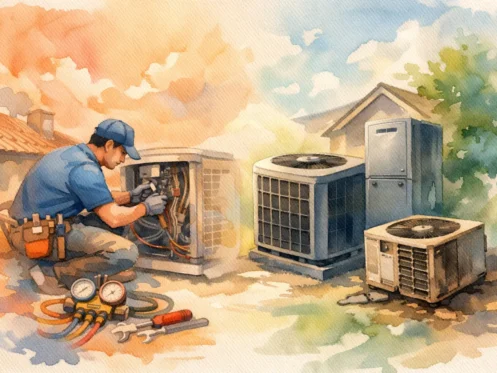
A Tampa air conditioner can seem fine at breakfast and leave the house hot and sticky by lunchtime. When that happens, homeowners need more than a quick guess. Professional HVAC repair starts with finding the actual cause of the problem, explaining the options in plain language, and giving you an upfront price before work begins.
Not every comfort problem calls for a new system. A failed capacitor, clogged drain line, worn contactor, or faulty thermostat can often be repaired without replacing the equipment. On the other hand, repeated breakdowns, costly refrigerant issues, and declining efficiency may signal that putting more money into an aging unit is no longer the practical choice. The right answer depends on the system’s condition, repair history, age, and how reliably it can keep your home comfortable through Florida heat and humidity.
Signs You May Need HVAC Repair
Some HVAC failures are obvious. The system will not start, the thermostat is blank, or warm air is coming through the vents when the AC should be cooling. Other problems build slowly and are easy to overlook until they become expensive or disruptive.
Pay attention if your home has uneven temperatures from room to room, weak airflow, unusual sounds, new odors, or humidity that suddenly feels harder to control. A system that runs almost constantly without reaching the temperature on the thermostat also deserves attention. Longer run times can point to issues ranging from a dirty filter or restricted ductwork to a failing component, refrigerant problem, or undersized equipment.
Higher utility bills are another useful warning sign. A seasonal increase is normal during a Tampa summer, but a sharp jump without a change in how you use the system should be investigated. As parts wear down or airflow becomes restricted, an air conditioner may consume more electricity to deliver less cooling.
Water around the indoor unit should not be ignored. In many cases, the condensate drain line is clogged and needs professional clearing. Left alone, drainage trouble can lead to water damage, system shutdowns, and mold concerns around the air handler. If you see ice on refrigerant lines, hear grinding or squealing, or smell something burning, turn the system off and arrange service promptly.
What a Thorough HVAC Repair Visit Should Include
A reliable repair visit is not just replacing the first part that looks questionable. A skilled technician should evaluate system operation, identify the source of the failure, and verify that the repair solves the problem.
The process often begins with questions about what you have noticed: when the issue started, whether it happens all the time, and whether recent storms, power interruptions, or maintenance changes may be involved. From there, the technician checks the thermostat, electrical connections, safety controls, filters, drainage, airflow, and major indoor and outdoor components.
For cooling equipment, diagnosis may include checking refrigerant performance, evaporator and condenser coil condition, blower operation, capacitor readings, contactors, and the outdoor fan motor. For heating equipment, the inspection may also involve ignition components, heat exchangers, burners, or heat pump operation. The exact testing depends on your equipment and symptoms.
Clear communication matters here. You should receive a straightforward explanation of what failed, why it matters, what repair is recommended, and what it will cost. If there are multiple reasonable options, a good contractor explains the trade-offs instead of pressuring you into the most expensive choice.
Why the Cheapest Repair Is Not Always the Best Value
A low price can be attractive when your house is uncomfortable, but a partial or poorly diagnosed repair can create another service call soon after. For example, replacing a failed capacitor may get a system running again, but a technician should also check whether electrical issues, worn motors, or airflow problems contributed to the failure.
The best value is a repair that addresses the root problem and helps protect the rest of the system. That does not mean every call requires extensive work. It means the recommendation should match the evidence, your equipment’s condition, and your plans for the home.
Repair or Replace? Make the Decision With the Full Picture
Many homeowners ask one question as soon as a repair estimate is presented: “Should I just replace it?” There is no single age at which every HVAC system must be replaced. Installation quality, maintenance history, usage, and Florida’s long cooling season all affect how long equipment lasts.
Still, replacement deserves serious consideration when the system is roughly 10 to 15 years old, needs frequent repairs, has a major compressor or coil problem, or uses an older refrigerant that is becoming harder and more expensive to service. An older unit that cannot maintain comfort or requires repeated emergency calls may cost more over time than a planned replacement.
Compare the immediate repair cost with what you are likely to spend over the next few years. Consider the unit’s efficiency, warranty status, condition of the ductwork, humidity control, and whether your household needs have changed. A growing family, a newly finished room, or persistent hot spots can change what the right system looks like.
Replacement also creates an opportunity to improve comfort rather than simply restore it. Properly sized high-efficiency systems, variable-speed air handlers, heat pumps, ductless mini-splits, and upgraded filtration can address specific issues when selected and installed correctly. Bigger is not automatically better. An oversized air conditioner can cool too quickly, cycle on and off, and remove less humidity than it should.
Avoiding Emergency HVAC Repairs
No maintenance plan can prevent every failure, especially during periods of heavy use. But routine service gives technicians a chance to catch worn parts, drainage issues, loose electrical connections, and airflow restrictions before they leave you without cooling.
Homeowners can help between professional visits by changing filters on schedule, keeping the outdoor unit clear of leaves and debris, and making sure supply vents are open and unobstructed. Avoid closing multiple vents in unused rooms in an attempt to save money. That can restrict airflow and place unnecessary strain on the system.
Professional preseason maintenance is particularly useful before the hottest months arrive. During a tune-up, technicians can inspect electrical components, clean critical areas, test system performance, verify drainage, and identify concerns while you still have time to choose a repair or replacement without an emergency deadline.
When to Call for 24/7 Help
Do not wait for regular business hours if your system failure creates a health, safety, or property-damage concern. That includes no cooling during extreme heat when vulnerable family members are in the home, electrical burning smells, smoke, a suspected gas issue, significant water leaking, or a system that repeatedly trips breakers.
For a normal comfort concern, avoid repeatedly resetting breakers or forcing the thermostat lower in hopes that the system will recover. Those actions rarely solve the underlying issue and can make diagnosis more difficult. Turn the system off if directed by a technician or if you notice dangerous symptoms, then keep doors and blinds closed to hold indoor temperatures as steady as possible until help arrives.
Get Clear Answers Before Approving HVAC Repair
A repair decision should feel understandable, even when the problem is technical. Ask what failed, whether the proposed work restores safe and reliable operation, how long the repair is expected to last, and whether another component is nearing the end of its service life. If replacement is suggested, ask why repair is not the better long-term option.
For Tampa homeowners, fast response matters, but so does making a decision you can feel confident about after the immediate discomfort is gone. Air 24/7 Air Conditioning & Heating provides diagnostic service, clear recommendations, and upfront pricing so you can address the problem without guesswork. When your system starts showing warning signs, scheduling service early is often the simplest way to protect your comfort, budget, and peace of mind.


