

 813-560-0594
 24/7 Emergency Service
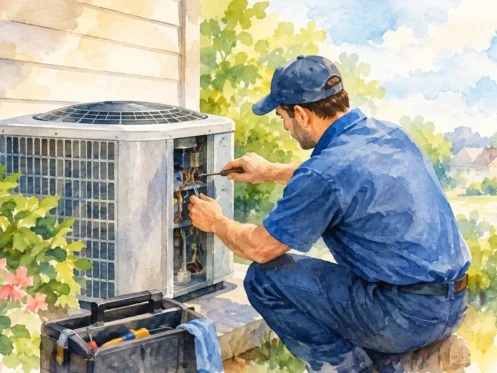
A Tampa AC system rarely chooses a convenient time to fail. It tends to happen after days of high humidity, during a heat wave, or when your home is already working hard to stay comfortable. So, does AC maintenance prevent repairs? It can prevent many of them, but it cannot guarantee that a repair will never be needed.
Professional maintenance is designed to catch small performance problems before they turn into a no-cooling call. It also helps your system run with less strain, which can extend the useful life of major components. The practical benefit is fewer surprise breakdowns, clearer information about your equipment, and more control over your home comfort budget.
What AC Maintenance Can and Cannot Prevent
Air conditioning equipment has moving parts, electrical connections, refrigerant components, and drainage systems that all experience wear. A maintenance visit gives a skilled technician time to inspect those areas while the system is still operating, rather than after it has shut down on a hot afternoon.
Maintenance can often identify a weak capacitor, worn contactor, loose electrical connection, clogged condensate drain, dirty coil, or declining refrigerant performance before the issue causes wider damage. Addressing these concerns early is usually simpler than waiting until the system stops cooling altogether.
However, maintenance cannot prevent every repair. A part can fail without much warning. Storm-related power events, aging equipment, manufacturing defects, pest damage, and normal end-of-life wear can all lead to an unexpected problem. A well-maintained 15-year-old system may still need a compressor, blower motor, or other significant repair.
The goal is not to promise a repair-free future. It is to reduce avoidable failures and give you a better chance to make decisions on your schedule instead of in an emergency.
How Preventive Service Reduces Breakdown Risk
A central AC system is built to move heat out of your home. When airflow is restricted, electrical components are struggling, or the coils are dirty, that process becomes harder. The system may run longer, cool unevenly, and place extra stress on components that were not designed to work at maximum effort all day.
During a professional tune-up, the technician checks the system’s operation and looks for conditions that create that strain. Cleaning and inspecting the outdoor unit helps heat release properly. Evaluating indoor airflow can reveal issues with a filter, blower, ductwork, or evaporator coil. Checking electrical components can uncover signs of overheating and wear before a component fails completely.
Condensate drainage deserves special attention in Florida. Your AC removes moisture from indoor air, and that water must drain correctly. A blocked drain line can trigger a safety switch, shut the system down, or create water damage around the air handler. Clearing the drain and confirming proper drainage is a small maintenance step that can help avoid a frustrating interruption.
Refrigerant checks are also about more than cold air. Low refrigerant may point to a leak, and continuing to operate the system in that condition can reduce cooling performance and put more stress on the compressor. A technician can assess the system’s readings and recommend the right next step instead of simply treating a symptom.
The Repairs Maintenance Is Most Likely to Help Avoid
No two systems age exactly the same way, but routine AC service is particularly useful for problems that start small and worsen gradually. These include:
- Drain line clogs that cause shutoffs or water leaks
- Dirty coils and restricted airflow that reduce cooling capacity
- Loose wiring and worn electrical components that can lead to startup failures
- Blower and outdoor fan issues that may become more serious when ignored
- Minor refrigerant concerns that affect efficiency and compressor operation
Some of these items are inexpensive to address during a planned visit. Left alone, they can create secondary damage or leave you without cooling when the system is under the most demand.
A clean filter also matters, although it is a homeowner task rather than a substitute for professional maintenance. Check it regularly and replace it based on the filter type, household conditions, pets, and manufacturer guidance. A filter that is visibly loaded with dust can restrict airflow and make the entire system work harder.
Maintenance Protects Efficiency, Not Just Reliability
Many homeowners schedule maintenance to avoid an emergency repair, but energy use is another major reason to stay ahead of system care. When an AC unit has dirty coils, poor airflow, or components that are beginning to struggle, it may run longer to reach the thermostat setting. Longer run times can mean higher utility bills and less consistent comfort.
In Tampa’s long cooling season, even a modest drop in efficiency can add up. Maintenance helps verify that the system is operating as intended and gives you a chance to correct issues that may be quietly increasing energy use.
That said, maintenance cannot restore an older, inefficient system to the performance level of a new high-efficiency model. If your equipment is nearing the end of its expected service life and needs frequent repairs, a technician may discuss replacement options. That is not a reason to skip maintenance. It is a reason to use maintenance findings to make a straightforward, informed comparison between another repair and a planned replacement.
How Often Should You Schedule AC Maintenance?
For most Tampa Bay homes, annual professional AC maintenance is a sensible baseline. Scheduling before the hottest part of the year gives your technician an opportunity to identify concerns before your system is carrying its heaviest workload.
Homes with multiple systems, pets, high indoor dust, heavy summer occupancy, or older equipment may benefit from more frequent attention. Heat pump systems that provide both cooling and heating often benefit from service before each major season because they work year-round.
A maintenance agreement can make this easier to manage by putting visits on a regular schedule instead of relying on memory. It also creates a service history for your equipment, which can be useful when tracking recurring issues, planning a replacement, or meeting manufacturer maintenance expectations for warranty coverage.
Warning Signs Between Maintenance Visits
Scheduled service works best when it is paired with quick action when something changes. Do not wait for your next tune-up if your AC is blowing warm air, cycling on and off repeatedly, making unusual sounds, leaking water, or producing weak airflow.
A sudden increase in utility bills can also be a signal. It does not always mean the AC is at fault, but it is worth checking when usage habits have not changed. Hot and cold rooms, excess indoor humidity, and a thermostat that never seems to reach the set temperature are other reasons to schedule a diagnosis.
Responding early can limit damage, but it also gives the technician better information. The system may still be operating when inspected, making it easier to measure performance and identify the real cause instead of guessing after a complete failure.
Is Maintenance Worth It for an Older AC?
Yes, with realistic expectations. An older system may need repairs even when it has been cared for properly. Maintenance still helps you monitor condition, improve day-to-day performance, and avoid neglect-related damage while you decide what makes financial sense.
The key question is whether repairs are isolated and reasonable or becoming a pattern. If your system has repeated breakdowns, uses an outdated refrigerant, struggles to control humidity, or requires a costly major component, replacement may offer better long-term value. A qualified technician should explain both options clearly, including expected repair costs, system condition, efficiency improvements, and available financing if replacement is the better path.
Air 24/7 helps homeowners make those calls with professional diagnostics, clear recommendations, and upfront pricing. Whether your system needs routine care, a targeted repair, or a replacement plan, the right next step should fit the condition of your equipment and your household’s budget.
The best time to find out how your AC is holding up is while it is still cooling your home. Schedule maintenance before peak demand, change filters as needed, and address new symptoms promptly so you can make comfort decisions with clear answers instead of urgency.


